About Aniline Oil
Aniline Oil is a clear to slightly yellow oil that when comes in contact water is slightly soluble and is denser. With the boiling point of 184 deg C and melting point of -6 deg C, this chemical has a musty fishy odour. It is primarily utilized in the production of other chemicals, such as agricultural chemicals and photographic chemicals. The other products in which aniline oil is used are polyurethane foam, synthetic dyes, stabilizers, varnishes, etc. During the combustion process, it generates toxic oxides of nitrogen.
Product Details :
|
Physical State
|
Liquid
|
|
Packaging Type
|
Drum
|
|
Packaging Size
|
200 kg
|
|
Formula
|
C6H5NH2
|
|
Molar Mass
|
93.13 g/mol
|
|
Boiling Point
|
184.1 degree C
|
|
Density
|
1.02 g/cm3
|
|
Melting Point
|
-6.3 degree C
|
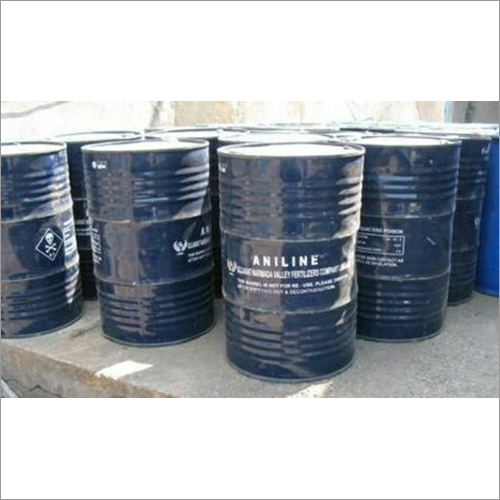
Key Features and PropertiesAniline oil is a colorless to pale yellow oily liquid with a purity of 99% minimum. Boiling at 184C and freezing at 6C, it demonstrates slight solubility in water but mixes well with most organic solvents. Its moderate viscosity, specific density of 1.0217 g/cm3, and refractive index of 1.586 at 20C make it ideal for a range of industrial applications.
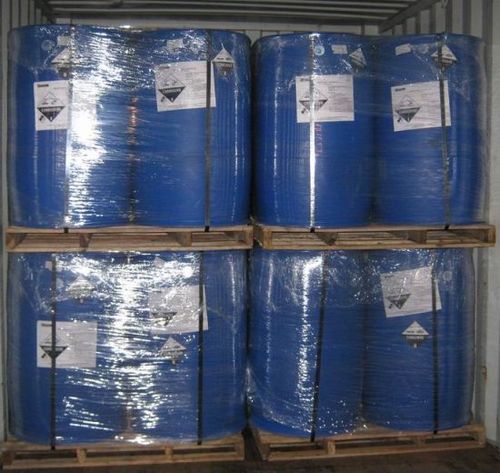
Packaging and Storage GuidelinesSupplied in steel drums or ISO tanks, aniline oil must be stored in a cool, well-ventilated area, away from sunlight and sources of ignition. Proper storage ensures its stability and extends shelf life to 12 months. Adhering to safety standards is critical due to its poisonous classification and flammable properties.
Applications Across IndustriesAniline oil serves as a vital intermediate in the synthesis of dyes, pharmaceuticals, rubber chemicals, agrochemicals, and explosives. Its high purity and consistent quality enhance product reliability and performance in various manufacturing sectors.
FAQ's of Aniline Oil:
Q: How should aniline oil be stored to maintain its stability and shelf life?
A: Aniline oil should be kept in airtight steel drums or ISO tanks in a cool, well-ventilated area away from direct sunlight and ignition sources. Proper storage conditions will ensure up to 12 months of stability.
Q: What are the main industrial uses of aniline oil?
A: Aniline oil is primarily used as an intermediate in the production of dyes, pharmaceuticals, rubber chemicals, agrochemicals, and explosives, making it essential in multiple manufacturing processes.
Q: When does aniline oil require special handling or precautions?
A: Due to its toxic and flammable properties (Hazard Class 6.1), aniline oil should always be handled with protective equipment and in compliance with international transport and storage regulations.
Q: Where can aniline oil be sourced from in India?
A: Aniline oil is supplied, traded, and wholesaled by various chemical suppliers and distributors across India, providing certified products that comply with industrial standards.
Q: What benefits does using high-purity aniline oil offer manufacturers?
A: Using 99% minimum purity aniline oil ensures consistent quality and performance in finished products, reduces impurities in manufacturing processes, and meets rigorous industrial and export requirements.
Q: What is the process for transporting aniline oil internationally?
A: International shipping of aniline oil must comply with regulatory standards for toxic substances, using sealed steel drums or ISO tanks, and adhering to UN Number 1547 and Class 6.1 requirements for safety.